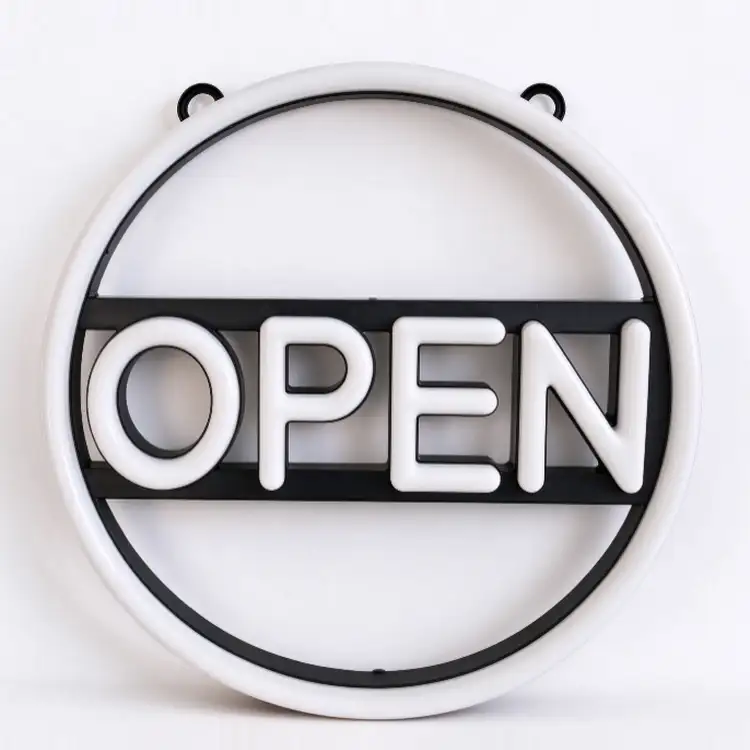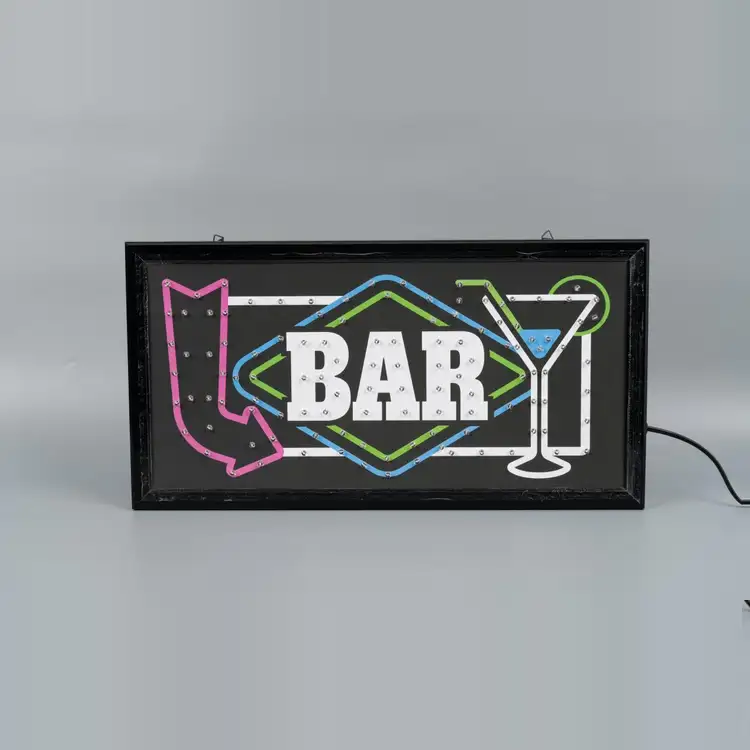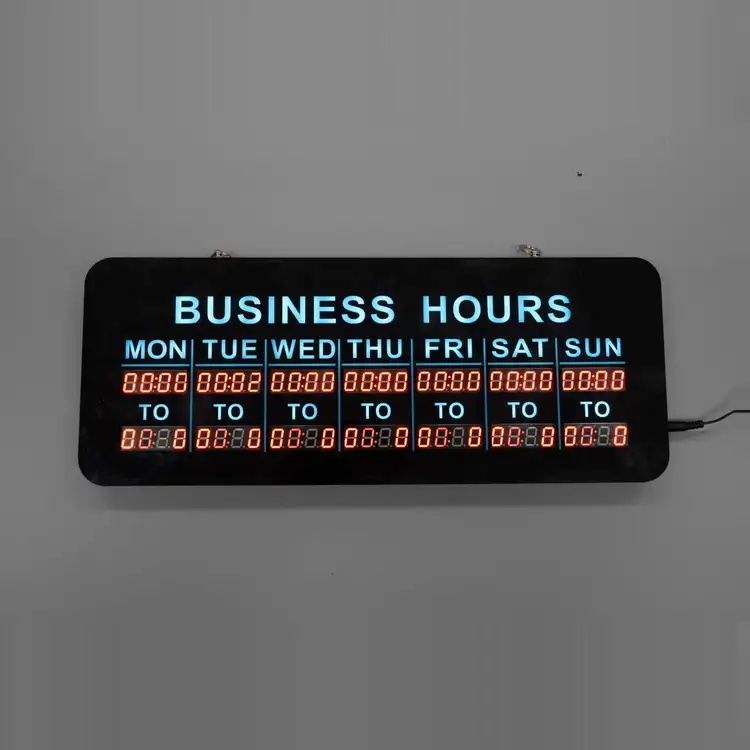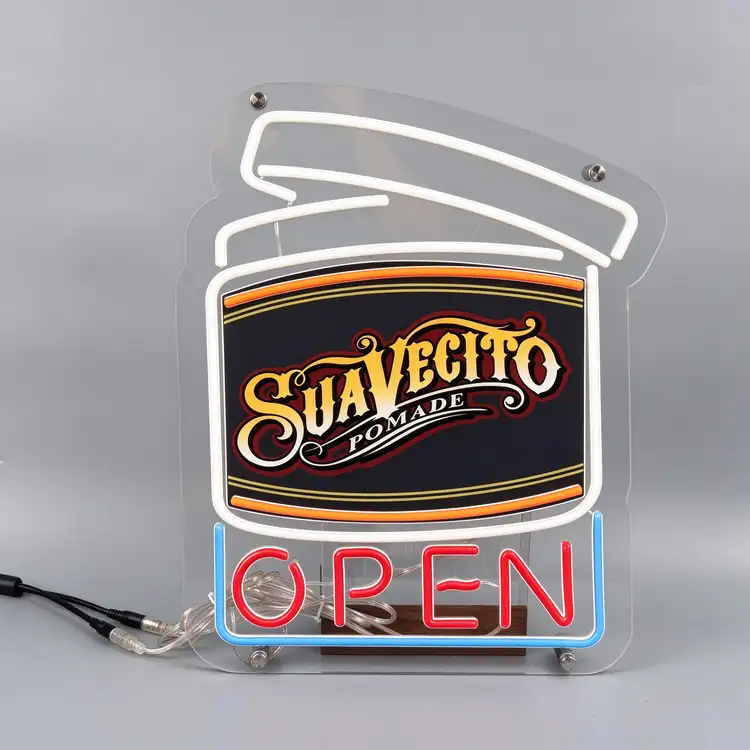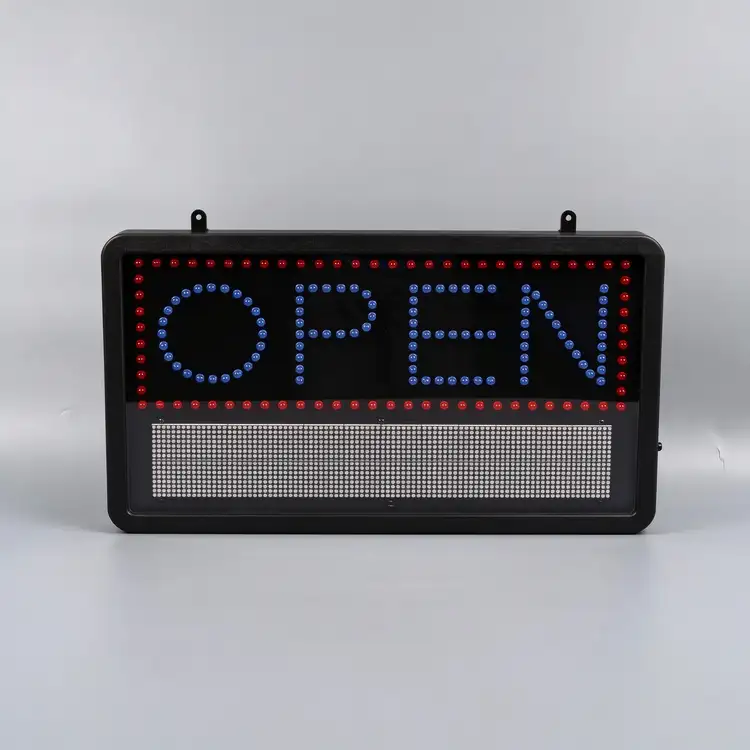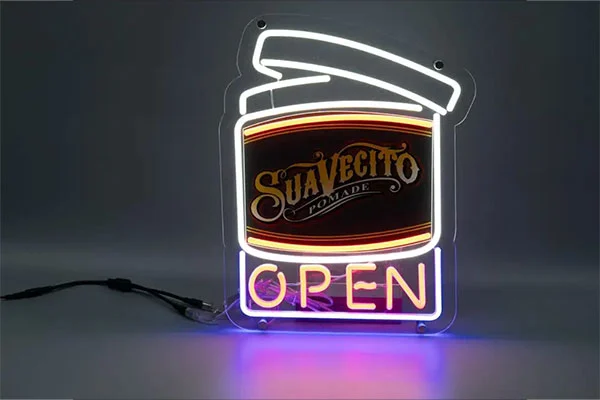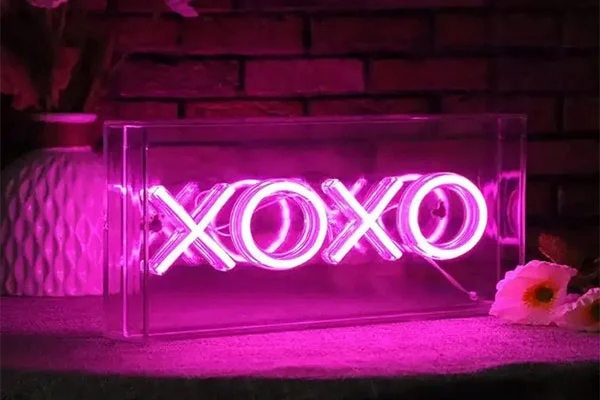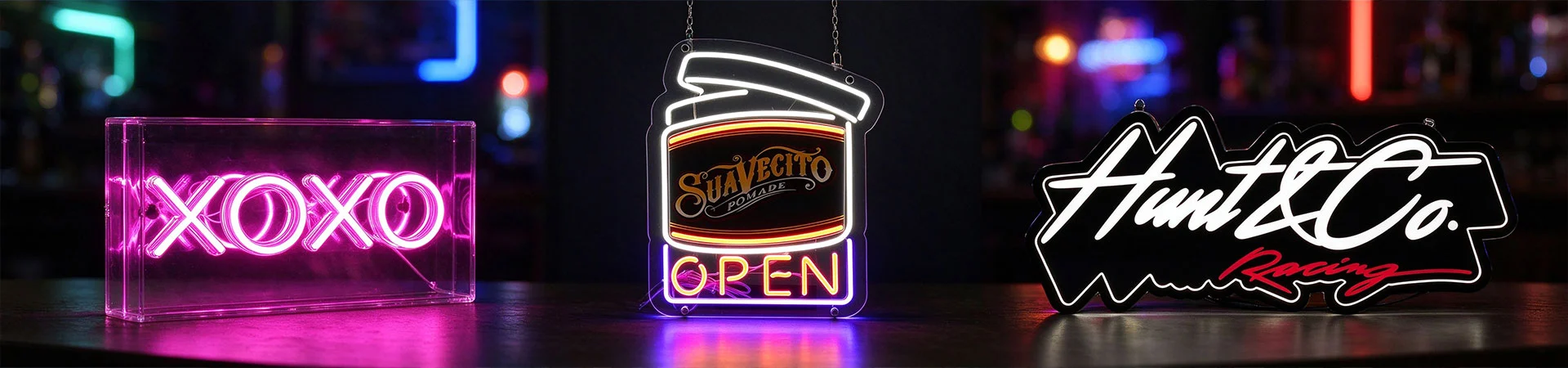
Gecen is a professional manufacturer and supplier of Acrylic LED Advertising Lights in China. Acrylic, also known as PMMA, offers a combination of clarity, weather resistance, and light diffusion that few other plastics match. For illuminated advertising, those properties directly affect brightness uniformity, color fidelity, and long-term appearance. Gecen uses cast acrylic for most light-guide and face applications because it resists yellowing better than extruded alternatives and holds dimensional stability in warm environments.
Long service life in an acrylic LED advertising light depends on keeping LED junction temperatures under control. Gecen selects LED modules with high luminous efficacy and low thermal resistance, then pairs them with aluminum heat spreaders or ventilated frames where needed. The driver is equally important: a stable constant-current driver protects against current spikes and helps maintain consistent brightness across the installation.
Both methods use acrylic as the face material, but they distribute light differently. Edge-lit construction is ideal for slim profiles and moderate sizes; back-lit construction suits large faces and high-brightness requirements. Gecen helps buyers choose the right approach based on sign dimensions, viewing angle, depth constraints, and maintenance access.
| Construction | Profile Depth | Best For | Considerations |
|---|---|---|---|
| Edge-lit | 15–35 mm | Slim wall signs, hanging signs, close viewing | Requires precise light-guide patterning; size limited by uniformity |
| Back-lit | 60–120 mm | Large fascia signs, high-brightness displays | Deeper cabinet; easier thermal management; more even over large areas |
| Hybrid | 40–80 mm | Oversized panels and high-uniformity requirements | Combines edge and back lighting; higher cost but excellent results |
Gecen supports full customization for brand programs, from logo shape and face finish to control protocol and packaging. Custom work follows a sample approval process so that brightness, color, and mechanical fit are confirmed before mass production.
Acrylic LED advertising light products are low-maintenance, but a simple care routine preserves appearance. Avoid ammonia-based cleaners, abrasive pads, and solvents, which can cloud or crack the acrylic surface. For outdoor signs, inspect seals and cable glands seasonally, and remove dust and pollen from the face and ventilation paths.
| Task | Frequency | Method |
|---|---|---|
| Surface dust removal | Monthly or as needed | Soft microfiber cloth or compressed air at low pressure |
| General cleaning | Every 3–6 months | Mild soap and water; rinse and dry with a soft cloth |
| Driver and wiring inspection | Annually | Qualified electrician checks connections and enclosure condition |
| Outdoor seal inspection | Every 6 months | Check gaskets, glands, and drainage paths |
| Brightness verification | Annually | Compare against baseline readings and replace aging modules if needed |
Gecen acrylic LED advertising light systems are used in retail stores, shopping malls, hotels, restaurants, clinics, cinemas, exhibition halls, airports, and corporate offices. The thin profile suits interior design schemes where depth is limited, while outdoor-rated versions support building fascias and transport signage.
Every Gecen production batch passes through incoming material inspection, in-process assembly checks, and final functional testing. Acrylic sheets are inspected for scratches, bubbles, and color variation before fabrication. LED modules are tested for forward voltage, brightness, and color consistency. Finished units undergo burn-in and safety checks before packing.
| Stage | Check | Acceptance Criteria |
|---|---|---|
| Incoming acrylic | Thickness, clarity, surface defects | Within tolerance; no visible scratches or bubbles in illuminated area |
| Incoming LED | Brightness, color bin, forward voltage | Matches approved sample and bin code |
| Assembly | Light guide alignment, wiring routing, frame fit | No pinched wires; uniform gap tolerance |
| Burn-in | Continuous operation | Minimum 4 hours; 24 hours for high-brightness and outdoor models |
| Photometric test | Brightness and uniformity | Meets approved sample within agreed tolerance |
| Safety test | Hi-pot, earth continuity, insulation resistance | Passes applicable standard |
| Final inspection | Appearance, labeling, accessories | No cosmetic defects; packing list complete |
Q: What is the typical thickness of the acrylic face used in Gecen signs?
A: Most indoor models use 3 mm to 5 mm cast acrylic for slim profiles and good light diffusion. Larger formats, outdoor units, and signs that require extra rigidity typically use 8 mm to 10 mm acrylic, with 12 mm to 20 mm available for oversized or structural applications.
Q: How bright is a standard acrylic LED advertising light?
A: Standard indoor models produce 800 to 1,500 cd/m², which suits retail interiors, hotel lobbies, and offices. High-brightness versions reach 2,500 cd/m², and specially configured outdoor units can reach 4,000 cd/m² for locations with strong ambient light.
Q: Can the sign be used outdoors?
A: Yes. Gecen offers IP54, IP65, and IP66 outdoor versions with sealed frames, waterproof cable glands, UV-stabilized acrylic, and protected drivers. Outdoor models require correct drainage and ventilation planning, and we recommend confirming the exposure conditions before final specification.
Q: What color temperatures are available?
A: Standard options include 3000K warm white, 4000K neutral white, and 6500K cool white. We also supply 2700K, 5000K, RGB, RGBW, and tunable white versions for brand-specific color requirements and dynamic lighting effects.
Q: Is the light evenly distributed across the acrylic panel?
A: Gecen targets a luminance uniformity of 0.75 or higher across the illuminated face. Edge-lit panels use a patterned light guide and tightly binned LEDs to reduce hot spots, while large panels use back-lit or hybrid construction to maintain even brightness from center to corner.
Q: What is the rated lifespan of the LED modules?
A: The standard LED modules are rated for 50,000 hours to L70 under specified operating conditions. Actual service life depends on ambient temperature, driver quality, ventilation, and daily operating hours, so we recommend keeping drivers in ventilated locations and avoiding enclosed cavities.