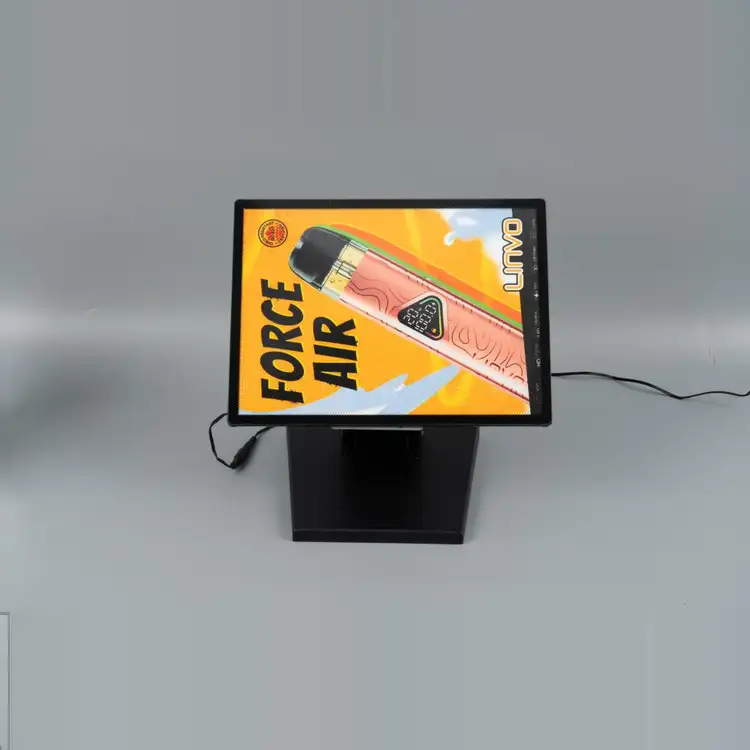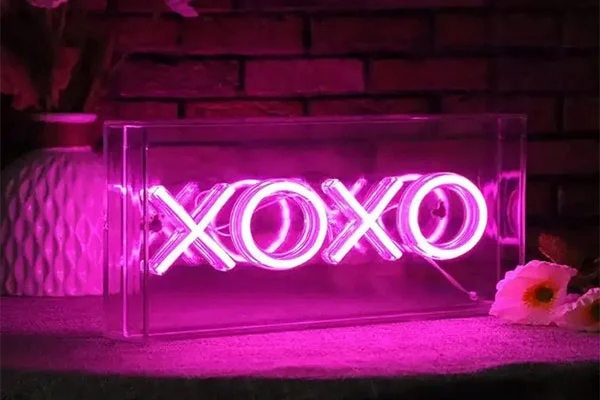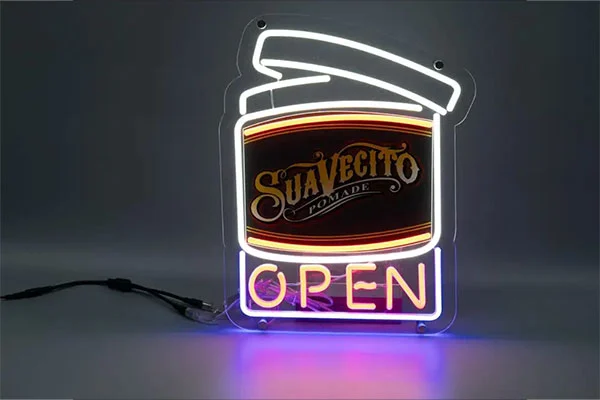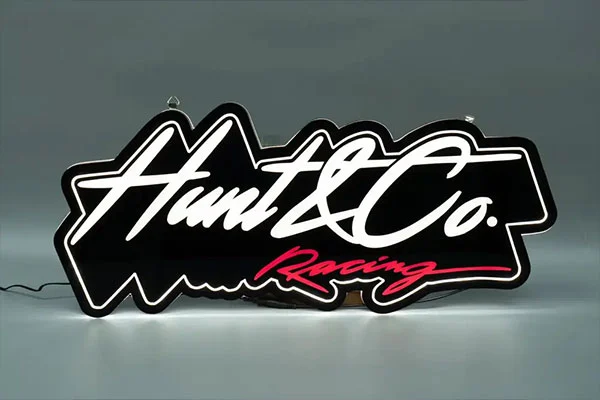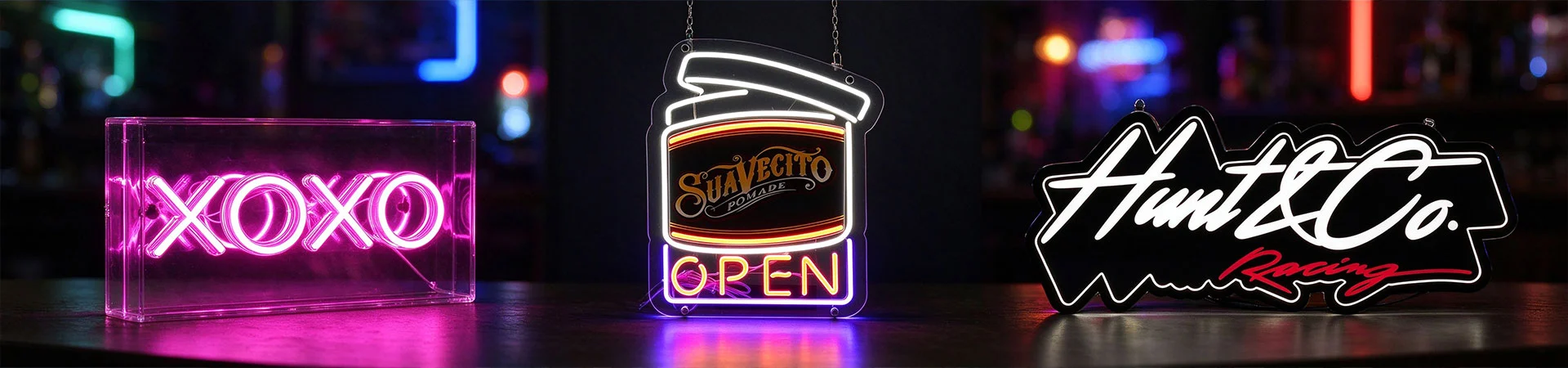
Gecen 3D LED Light Box uses a three-dimensional acrylic face, an aluminum frame, and high-output LED modules to create crisp logos, sharp lettering, and even illumination across the entire graphic. Gecen builds each unit for retail stores, hotel lobbies, exhibition booths, restaurant entrances, corporate reception areas, and outdoor brand displays. The structure supports single-sided or double-sided presentation, wall mounting, hanging, ceiling suspension, and freestanding floor stands.
Gecen focuses on stable light output, clean edges, and long service life. The 3D face is formed from cast acrylic or impact-resistant composite, then finished with UV printing, laser engraving, or vinyl application depending on the design. The aluminum frame is powder-coated for scratch resistance and color consistency. LED modules are selected by brightness bin and color temperature to reduce visible hotspots and uneven patches. The result is a display that reads clearly from a distance, keeps brand colors accurate, and maintains a professional appearance in high-traffic environments.
Gecen controls brightness binning, color temperature consistency, and diffusion across the face. For white-light signs, 4000K is a common choice for retail interiors because it keeps white graphics clean without a harsh blue cast. Warm white 3000K suits hospitality and restaurant settings. Cool white 6500K is often used for outdoor signage and high-contrast brand colors. RGB and RGBW versions add scene control for promotions, events, and entertainment venues.
The LED layout is matched to the face size and depth. Larger faces use higher LED density and reflective back panels to reduce dark corners. Deep 3D lettering receives side-lit modules or hidden LED channels so the light does not create glare on the viewer. Diffusers and light guides are selected by transmission rate and haze level. Gecen checks the final face for hotspots, shadows, color shift, and edge brightness before packing.
The frame is made from aluminum alloy, which resists rust and keeps the unit light enough for wall mounting. Powder coating provides color matching for brand palettes, including black, white, silver, gray, red, blue, and custom RAL colors. The face uses cast acrylic for clarity and depth, or impact-resistant composite for busy public areas. For outdoor models, sealed gaskets, waterproof connectors, and pressure-balanced enclosures protect the LEDs and driver from rain and dust.
Gecen supports custom 3D LED light box projects from a single prototype to repeat production. Artwork can be supplied as AI, PDF, EPS, SVG, or high-resolution PNG files. Brand colors should include Pantone, RAL, CMYK, or physical samples for matching. The production team reviews stroke width, letter depth, minimum radius, and light-blocking areas before cutting. For multi-layer logos, Gecen separates front faces, side returns, backing panels, and light chambers to keep each layer clean and evenly lit.
Each Gecen 3D LED light box passes incoming material inspection, frame assembly checks, electrical safety testing, aging tests, and final visual inspection. LED modules are aged before assembly to catch early failures. The finished unit is checked for brightness uniformity, color consistency, power consumption, insulation resistance, and grounding. Outdoor models receive seal checks and water-spray testing according to the agreed IP rating. Certificates and test reports are available for project submittals.
Orders are quoted by size, face material, LED configuration, control mode, mounting method, and packaging requirements. Gecen accepts sample orders for design validation and production orders for rollouts. Standard lead time is 7–15 working days for samples and 15–25 working days for bulk orders after artwork approval. Oversized or multi-layer signs may require additional production time. Packaging uses foam, corner protectors, stretch film, and wooden crates for export. Shipping documents, installation guides, and spare parts can be included by request.
Q: Can Gecen produce a custom size and shape?
A: Yes. Gecen produces square, rectangular, round, oval, irregular, and multi-layer shapes. Custom orders can include routed acrylic faces, metal letter returns, printed graphics, and mixed lighting effects. The design team checks artwork for minimum stroke width, corner radius, depth clearance, and LED placement before production. Customers should provide vector artwork, brand color references, installation dimensions, and a site photo when available. A prototype or digital mock-up can be prepared before full production.
Q: Is the 3D LED Light Box suitable for outdoor use?
A: Yes, when ordered with the outdoor configuration. Gecen outdoor models use IP65 sealed LED modules, waterproof connectors, gasketed frames, and weather-resistant powder coating. The driver is placed in a protected external enclosure with ventilation and service access. Outdoor units are tested for water spray and seal performance. For coastal areas, stainless steel hardware and additional corrosion protection are recommended. The installation location should avoid standing water and direct water jets from cleaning equipment.
Q: What is the difference between edge-lit and back-lit versions?
A: Edge-lit versions place LEDs along the frame and use a light guide to spread brightness across the face. They are often thinner and work well for medium-sized indoor signs with even white graphics. Back-lit versions place LED modules behind the face and are better for large displays, deep 3D letters, and high-brightness outdoor applications. Gecen selects the lighting method based on face size, depth, artwork coverage, brightness target, and maintenance access. Some complex signs use a hybrid layout for better uniformity.
Q: How bright is the display, and can it be dimmed?
A: Gecen standard units range from 5,000 to 12,000 cd/m² depending on size, LED density, and diffuser. Indoor reception signs usually need lower brightness, while outdoor fascia signs require higher output to compete with ambient light. Dimming is available with 0–10V, DALI, PWM, remote control, or app-based controllers. Timers and sensors can reduce output during closed hours. Gecen recommends confirming the viewing distance and surrounding light level so the final brightness is comfortable and legible.
Q: What artwork files are required for production?
A: Vector files are preferred: AI, PDF, EPS, or SVG. High-resolution PNG files are acceptable when vector data is unavailable. Artwork should include exact dimensions, color references, font outlines, and bleed allowances where needed. For 3D lettering, Gecen needs stroke width, letter depth, and the intended light direction. Pantone, RAL, CMYK, or physical color samples help match brand colors. Low-resolution images, missing fonts, and very thin strokes can affect production accuracy and should be reviewed before approval.
Q: How is the 3D LED Light Box installed?
A: Gecen supplies mounting brackets, templates, screws, cables, and wiring diagrams. Wall-mounted signs use hidden brackets or standoffs fixed to a solid wall or reinforced panel. Hanging signs use steel cables and ceiling anchors with adjustable grippers. Freestanding units use weighted bases or floor frames. Electrical connection should be made by a qualified electrician to a suitable circuit. For outdoor installation, cable entries must face downward, connectors must be sealed, and the driver must remain in a dry, ventilated position.